Paving the Parthenon: The Enduring Legacy of Greek Stone
Greek Marble History and Its Role in Ancient Architecture
It has been said for centuries that Greek marble is the stone that shaped Western civilisation, and whilst this idea is largely rhetorical, it has endured like few others through time. From the sunlit slopes of Mount Penteli to the quarries of northern Greece, this material has defined temples, sculptures and public spaces for more than two and a half thousand years. Its glowing white surfaces have captured light in ways that still inspire architects and designers today.
At YDL Stone, we source natural stone from around the world to offer Australian clients surfaces with genuine history and character. Over the coming months, we will explore the origins of our stones, the geological forces that created them, and the living legacy that connects a modern benchtop or wall to ancient craftsmanship. Greek marble stands as one of the clearest examples of how stone can carry meaning and identity across time.
The Ancient Foundations of Greek Marble
Greek marble began its story long before the classical period. As far back as the Late Neolithic, later developing through the Early Bronze Age, islanders in the Cyclades were carving elegant figurines from local white stone, simple yet powerful forms that celebrated fertility and the human figure. By the Archaic period (c. 600 BC), quarries on Naxos, Paros and other islands supplied material for monumental kouros statues and temple dedications.
Pentelic Marble and the Building of the Parthenon
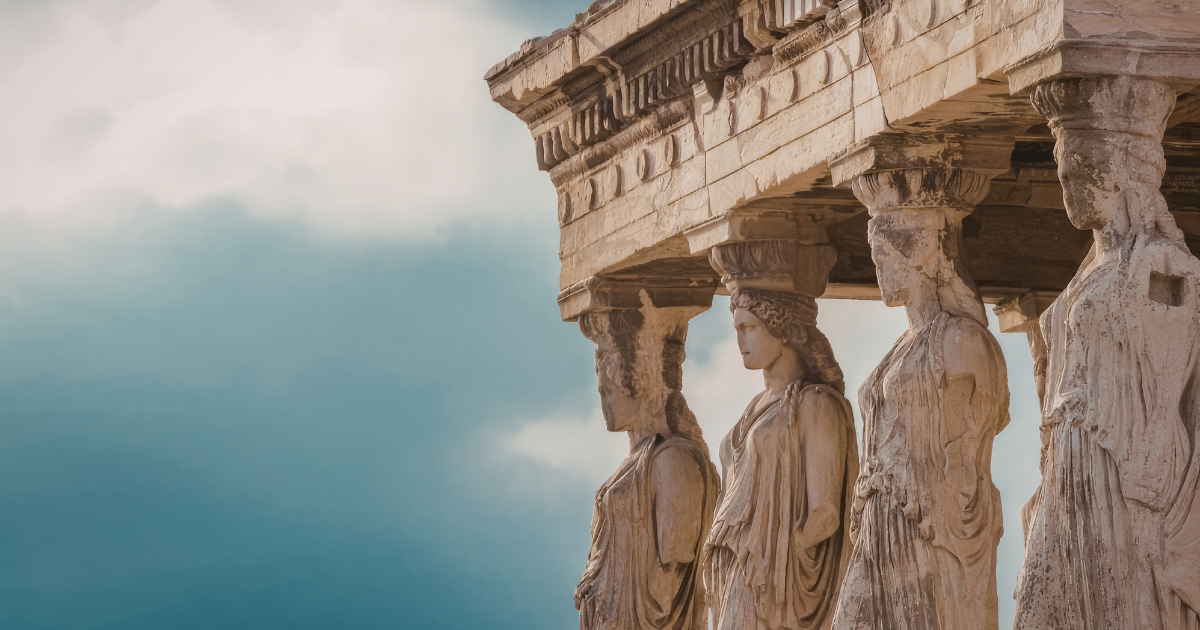
The real transformation came in the fifth century BC during the great building programs in Athens. After the Persian invasions, the city turned to the quarries of Mount Penteli for the Acropolis project. Pentelic marble, with its fine grain and subtle golden hue that warms in sunlight, became the material of choice for the Parthenon.
Its columns, metopes, frieze and pediments all rose from this stone, creating a structure that has influenced architecture ever since. The Erechtheion with its famous Caryatids and other temples followed, each piece shaped by hand with remarkable precision using chisels, saws and measuring tools.
Parian, Thassos and Volakas Marble Through History
Quarries on Paros produced another prized variety known for its pure whiteness and fine texture that allowed sculptors to achieve extraordinary detail. It is believed to have been used in works such as the Venus de Milo. Thassos marble from the north added its own luminous quality, while other islands and mainland sites supplied coloured stones in greens, reds and greys that Romans later embraced for polychrome effects.
These stones embodied ideals of beauty, harmony and permanence. Greek craftsmen lived near the quarries, roughing out blocks before transporting them for final finishing on site. The legacy of that skill continues today in restoration work on the Parthenon itself, where new pieces from the same ancient quarries help preserve the original vision.
From Antiquity to Modern Markets
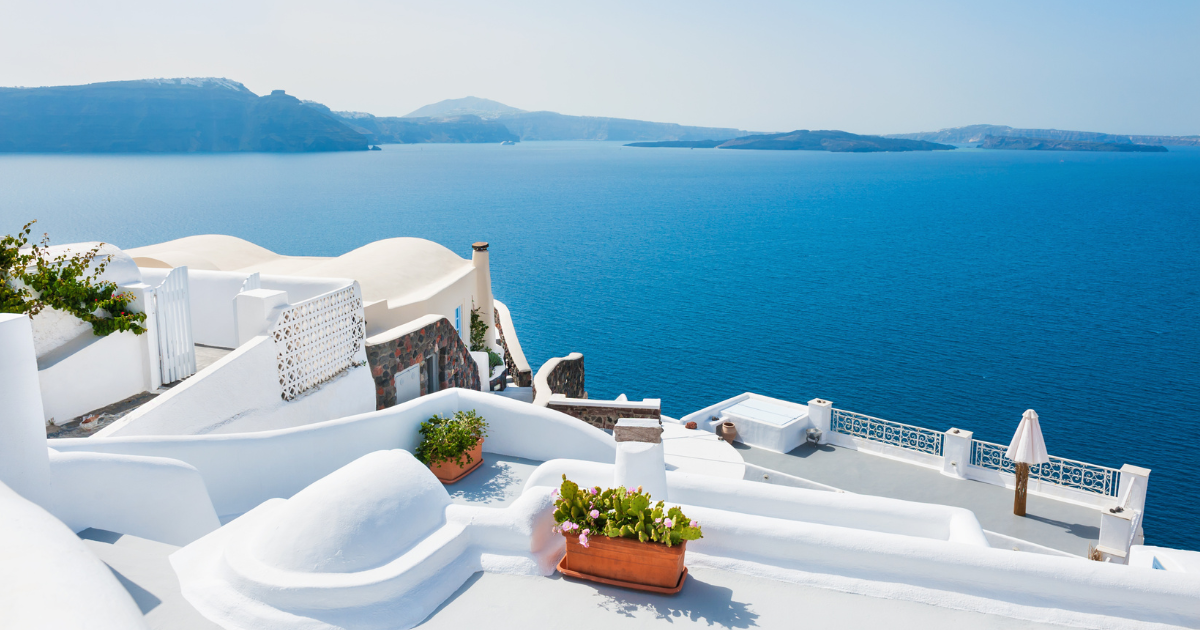
While the classical era established Greek marble’s reputation, the industry has evolved into a sophisticated export sector. Greece remains a leading global supplier of natural stone, particularly its renowned white marbles. In the first half of 2025, Greek natural stone exports reached 161.7 million US dollars (228,145,764.00 Australian Dollars). Although this showed a modest decline compared with the previous year, the average price per ton rose by eight percent to 416 US dollars by late in the year, reflecting sustained demand for quality material.
The top destinations in 2025 included China, Saudi Arabia and the USA, with the leading ten markets accounting for the bulk of shipments. Other notable buyers were the UAE, Uzbekistan, Cyprus, India, Turkey, Italy and Algeria.
What Draws People to Greek Stone Today?
Greek marble has a rare heritage that can’t be replicated, with its history tied to Greece’s rich tapestry of historical craftsmanship. Its crystalline structure gives surfaces a natural luminosity that catches light beautifully, whether in a polished or honed finish. Many varieties show excellent density and durability suited to high-traffic areas, while the range of tones from pure white to softly veined allows for versatile design choices.
In modern interiors, Volakas blends structured elegance with its flowing patterns, making it ideal for book-matched installations or statement walls. Thassos’ clean, bright presence enhances bathrooms and lobbies. Pentelikon adds subtle warmth that works well in both classic and minimalist schemes. These stones connect everyday spaces to a tradition of craftsmanship that values precision and beauty.
Advances in quarrying and processing have helped maintain consistency while respecting the material’s natural origins. Greek producers balance tradition with modern techniques to meet global standards without losing the character that sets their stone apart.
The Benefits of Greece-Quarried Stone
Reliable Long-Term Supply From Established Quarries
Greek stone is sourced from a wide network of quarries across both the mainland and islands, many of which have been active for generations. This long-standing quarrying tradition, combined with ongoing development of new resources, means Greece remains a consistent and reliable source of natural stone for global markets.
Consistent Quality Across Greek Marble Varieties
Quality is a key priority within the Greek stone industry, with materials typically assessed through recognised geological and testing processes. This supports consistency across different stone types, giving confidence in both appearance and performance.
Wide Range of Colours, Textures and Stone Types
Greece offers a broad selection of natural stones across a wide range of colours and textures, from crisp whites and soft creams through to greys, greens, beiges and deeper tonal varieties. This diversity supports a wide range of design styles.
Modern Quarrying and Skilled Stone Processing
The Greek stone industry combines traditional quarrying knowledge with modern processing techniques. This ensures natural stone is extracted and finished to a high standard while retaining its natural character.
A Natural Material With Unique Character and Variation
As a natural material, Greek stone features unique variations in colour, veining and texture that cannot be replicated in manufactured alternatives. No two slabs are the same, which gives each installation its own identity.
A Proven Material for Architectural and Interior Use
Greek marble has been used in architecture for thousands of years and continues to be specified across residential and commercial projects. Its longevity reflects both its visual appeal and practical performance.
YDL Stone’s Greek Stone Range
We have selected several Greek marbles that showcase the best of this heritage for Australian homes and projects.
Ariston Kalliston
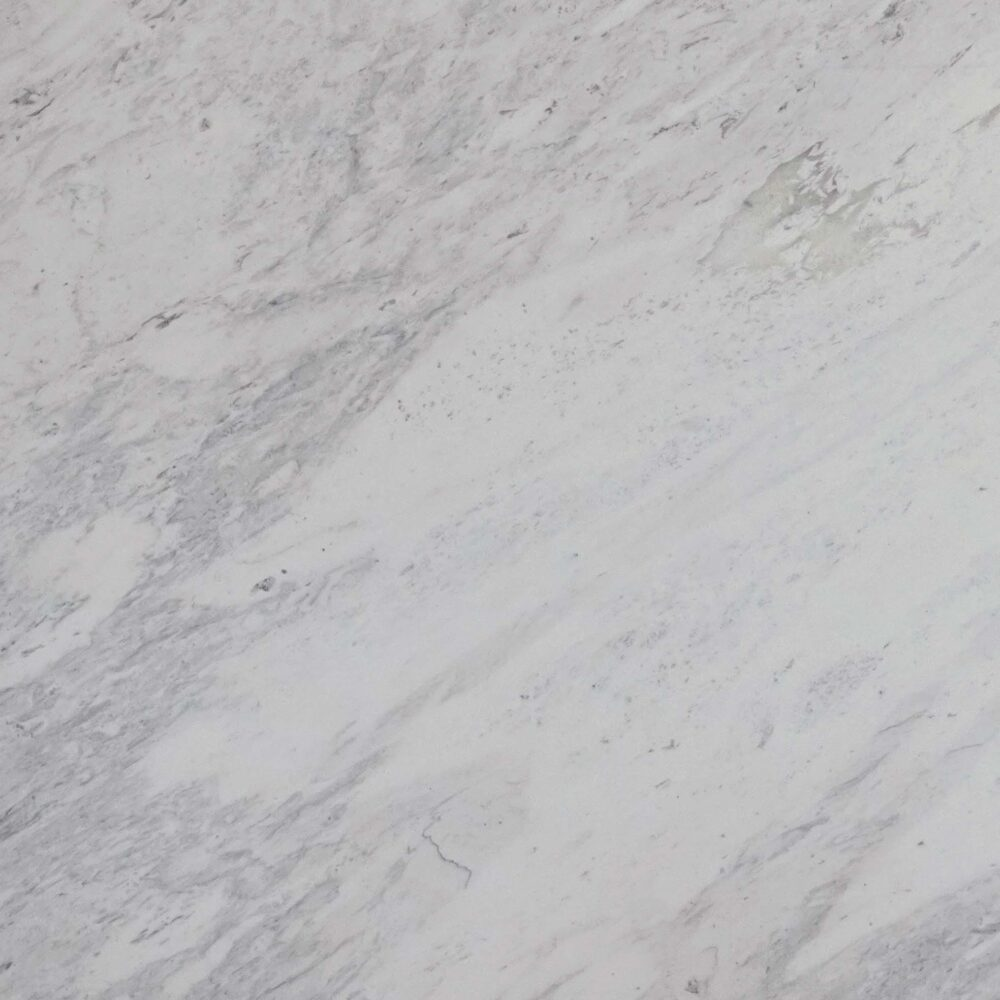
This refined white marble features a clean base with delicate veining that adds gentle movement. Quarried in Greece, it offers timeless sophistication suitable for kitchens, bathrooms and feature walls. Its balanced aesthetic is the epitome of quiet luxury in any setting.
View the Stone Here:
https://www.ydlstone.com.au/products/ariston-kalliston/
Crystalina Green
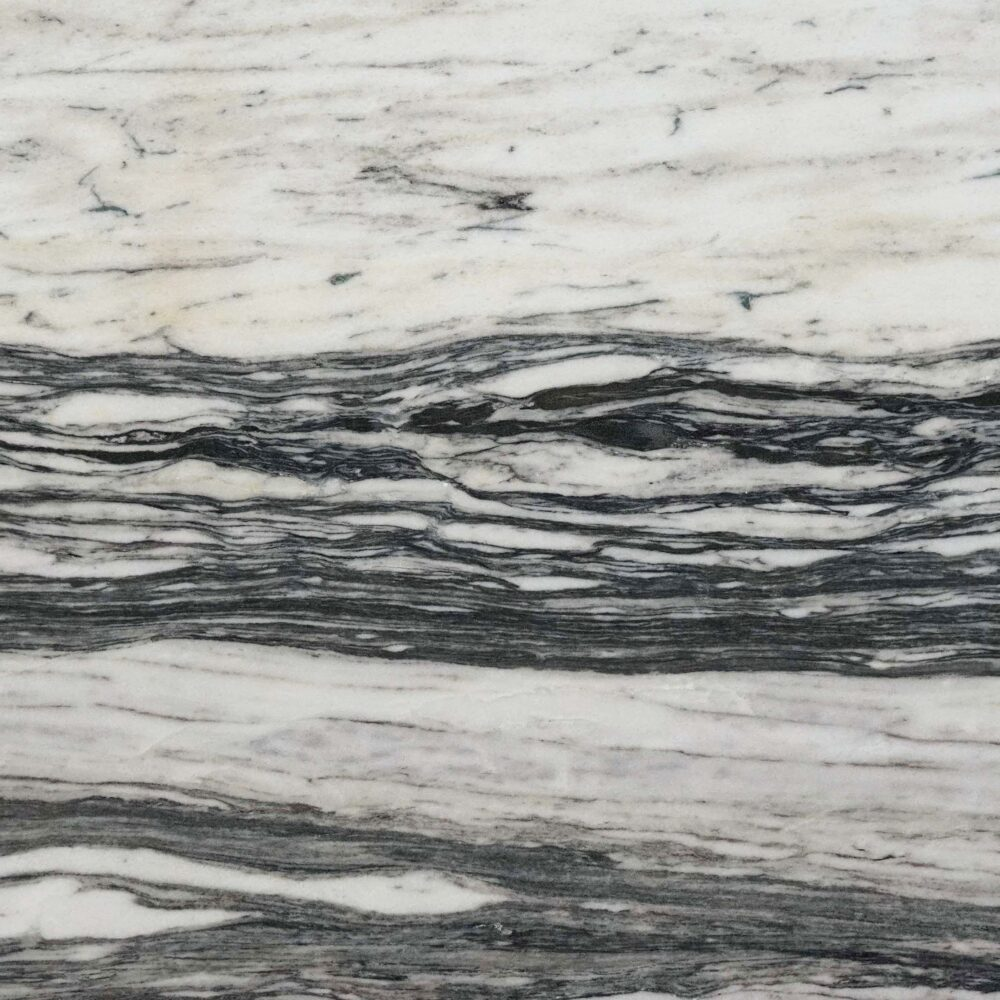
With its soft green tones and subtle natural patterns, Crystalina Green marble introduces a calming, nature-inspired element. Sourced from Greek quarries, this versatile stone suits vanities, flooring and accent areas where a touch of colour enhances the overall design.
View the Stone Here: https://www.ydlstone.com.au/products/crystalina-green/
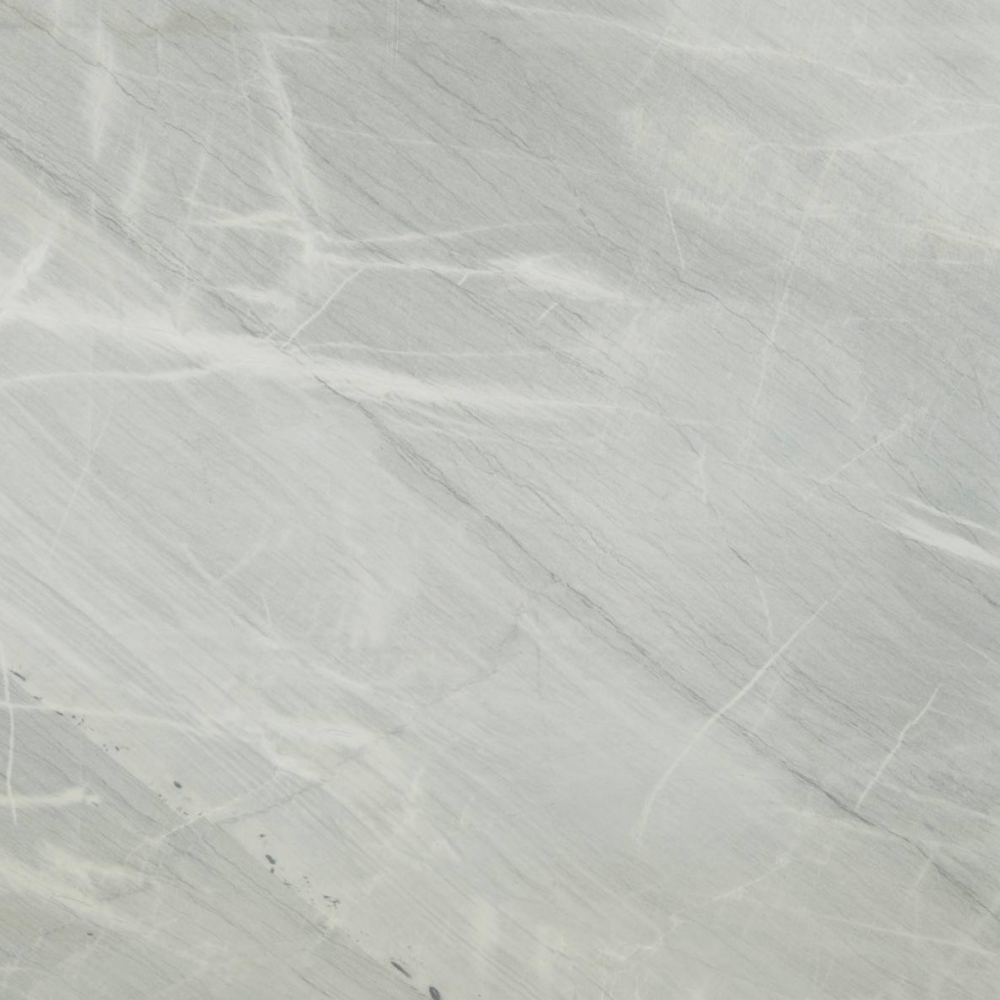
Lais Grey
Lais Grey presents a sophisticated grey palette with organic veining that creates depth and interest. This Greek marble’s understated elegance works beautifully in contemporary interiors, from benchtops to full wall cladding.
View the Stone Here: https://www.ydlstone.com.au/products/lais-grey/
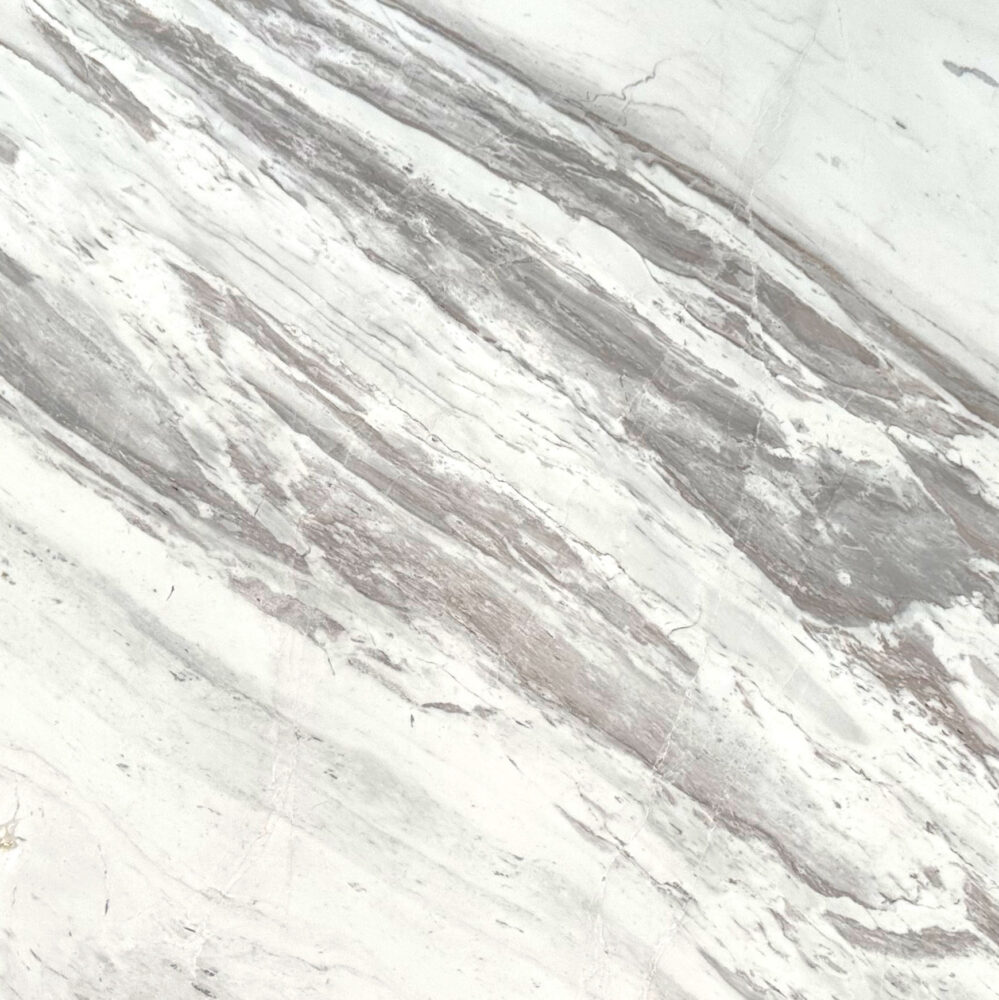
Volakas
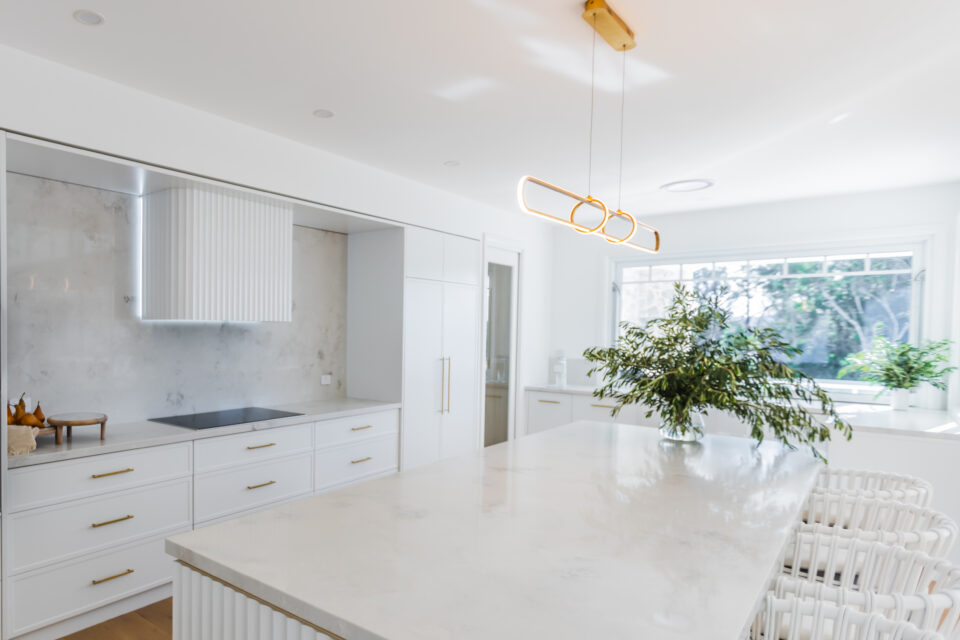
Classic Volakas marble displays a bright white background accented by distinctive grey veining that ranges from soft to more dramatic. Quarried in northern Greece, it captures the enduring appeal of Greek white marble and suits a wide range of applications, including kitchens, bathrooms and commercial spaces.
View the Stone Here: https://www.ydlstone.com.au/products/volakas/
Frequently Asked Questions
Is Greek marble suitable for kitchen benchtops?
Greek marble can be used for kitchen benchtops, but it depends on how the space will be used. It is a softer, more porous material than some alternatives, so it will develop subtle marks over time. For clients who appreciate a lived-in, natural surface that evolves with use, it can be a beautiful choice. If you prefer a surface that stays more uniform with minimal change, a harder stone may be more suitable.
How does Greek marble perform compared to quartzite or granite?
Greek marble offers a refined, timeless look, but it is not as hard as quartzite or granite. Quartzite is generally the most durable of the three, with strong resistance to scratching and heat. Granite also performs very well in high-use areas. Marble sits slightly behind in terms of durability, but it offers a softness and character that many people prefer visually. The right choice comes down to how you balance appearance with performance.
Does Greek marble stain or etch easily?
Like most natural marbles, Greek marble can be affected by acidic substances such as lemon juice, vinegar and wine. These can cause etching, which appears as a dulling of the surface rather than a stain. Because marble is also porous, it can absorb liquids if left unsealed or unattended for long periods. With proper sealing and everyday care, this can be managed, but it is important to understand that some change over time is part of the material’s nature.
What kind of maintenance does it require day-to-day?
Day-to-day care is quite simple. Wiping surfaces with a soft cloth and a mild, pH-neutral cleaner is usually enough to keep it looking its best. It is best to avoid harsh or acidic cleaning products. Spills should be cleaned up relatively quickly, particularly from things like wine, coffee or citrus. Using boards for food preparation and trivets for hot items will also help preserve the surface.
Can it be used outdoors in Australian conditions?
Greek marble can be used outdoors in certain applications, but it does require careful consideration. Depending on the marble’s finish, exposure to strong sunlight, rain and temperature changes can affect the surface over time, potentially leading to discolouration or weathering. In covered outdoor areas or vertical applications such as walls, it can perform well. For fully exposed outdoor spaces, more durable stones like granite or quartzite are often preferred.
Does it need sealing, and how often?
Yes, sealing is recommended for Greek marble to help protect it from moisture and staining. Most installations are sealed at the time of installation, and after that, it is typically reapplied every 6 to 12 months, depending on use and exposure. High-use areas like kitchens may require more frequent sealing, while lower-use surfaces can go longer between applications.
Work With YDL Stone Today
If Greek stone has caught your interest for a renovation or new build, we invite you to visit one of our showrooms. You can view slabs in person, discuss your project and see how these materials perform under Australian light. Bookings are easy through our website, with convenient locations across Victoria, Queensland and New South Wales.
Greek marble has paved the way for countless architectural achievements over thousands of years. Bringing a piece of that legacy into your home or workspace continues a tradition that values quality, beauty and enduring craftsmanship. At YDL Stone, we are proud to make that connection possible for our clients.
Related Article
Explore more from our blog
Discover more expert tips, design ideas, and surface insights to inspire your next project.