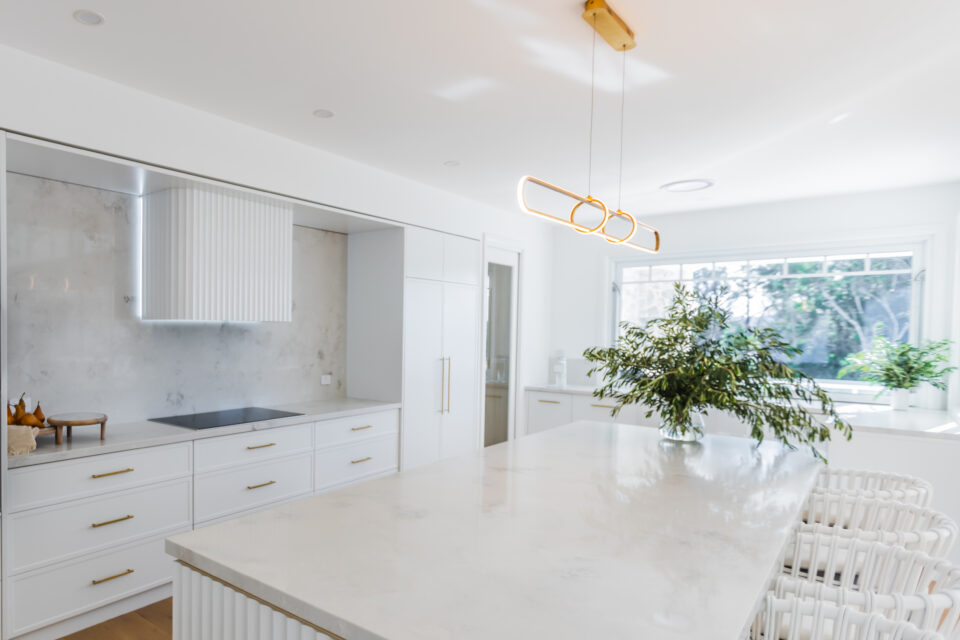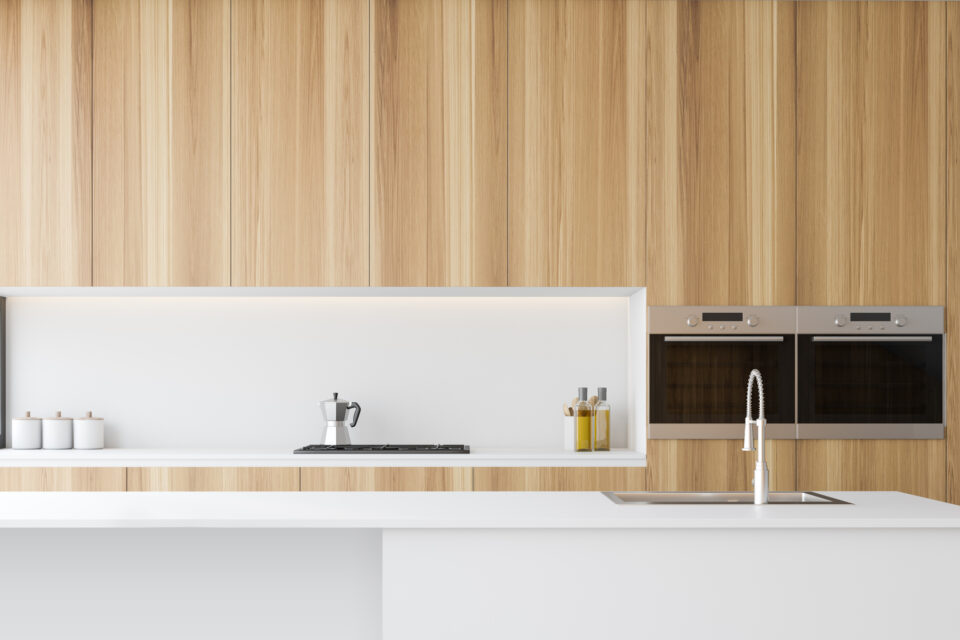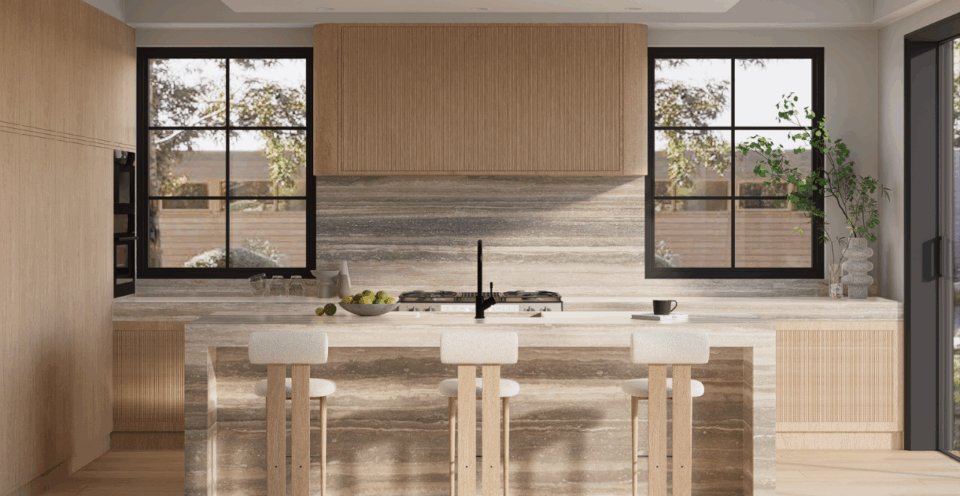
Choosing the right stone surface for your kitchen or bathroom renovation is one of the most important decisions you’ll make. Whether you’re eyeing natural stone surfaces, mineral stone surfaces, or porcelain benchtops, finding a quality supplier sets the foundation for a successful project.
But here’s the thing: most stone suppliers are wholesalers who only work with licensed tradespeople. So how do you, as a homeowner, navigate this process? Let’s break it down step by step.
How to Source Your Stone When You’re a Homeowner
There are typically two paths homeowners take when selecting stone surfaces:
Path 1: Referred by Your Builder or Tradesperson
Your stonemason, builder, interior designer, or cabinet maker might recommend visiting a specific supplier’s showroom. This is actually a great advantage because:
- Your tradesperson likely has an established relationship with the supplier
- They know which products work best for your type of project
- The process is streamlined from selection to installation
Pro tip: When you visit the showroom, bring samples of your cabinetry, flooring, or other materials. This helps you coordinate colours and patterns on the spot. Most suppliers also offer free samples to take home, which is invaluable when you’re trying to match everything under your actual lighting conditions.
Path 2: Finding a Supplier Yourself
Perhaps you’ve discovered a supplier through social media, a friend’s recommendation, or your own research. The process is similar, but you’ll need to connect your chosen supplier with your stonemason.
After selecting your preferred colour and style at the showroom, you’ll need to provide your stonemason’s details to the supplier, or let your stonemason know which supplier you’d like them to purchase from. Either your builder, cabinet maker, or stonemason will have established relationships with fabricators who can handle the purchase and installation.
A note on pricing: Don’t be surprised if the showroom can’t give you a direct price. As wholesalers, they provide pricing to licensed trades only. Your stonemason or builder will give you the final quote, which includes materials, fabrication, and installation.
Four Essential Checks Before Committing
Once you’ve found a supplier and product you love, don’t sign anything until you’ve verified these critical aspects:
1. Verify Safety Practices
This is particularly important given recent concerns about silicosis in the stone industry. Confirm that your supplier offers silica-safe fabrication options. Many modern engineered stone suppliers now offer crystalline silica-free surfaces, which significantly reduce health risks for the fabricators who’ll be cutting and installing your benchtop.
At YDL Stone, for example, our mineral surfaces are designed to contain less than 1% crystalline silica, providing a safer alternative for fabrication.
Also verify that your stonemason has appropriate Work Health and Safety (WHS) controls in place, current insurances, and proper licensing. Don’t hesitate to ask. Any professional tradesperson will be happy to demonstrate their credentials.
3. Inspect Real Slabs
Small samples are helpful, but they can’t show you the full picture. If possible, view actual slabs before committing to your choice. This lets you see:
- The variation in veining and pattern across a large surface
- Whether different slabs from the same batch are consistent
- Any natural characteristics or potential defects
- How the slab ID and batch numbers are tracked (important for ordering)
Natural stone, in particular, can vary dramatically from sample to slab. What looks like subtle grey veining in a 10cm square sample might dominate a 3-metre benchtop. Mineral stone surfaces tend to be more consistent, but it’s still worth seeing the full slab to confirm you love it.
4. Confirm Aftercare Requirements
Different stone types have different maintenance needs. Before you finalise your choice, understand:
- Whether the surface needs sealing, and how often
- Which cleaning products are approved and which are prohibited
- The recommended maintenance schedule
- What to do if staining or damage occurs
For example, natural marble is stunning but requires regular sealing and careful cleaning. Porcelain benchtops, on the other hand, are virtually maintenance-free. Make sure the aftercare aligns with your lifestyle and how much time you’re willing to invest in upkeep.
What to Expect at a Showroom Visit
A good supplier showroom experience should feel collaborative, not rushed. Expect consultants who:
- Ask questions about your project to understand your needs
- Explain the differences between product ranges honestly
- Show you actual installed examples or full slabs
- Provide samples and literature to take home
- Connect you with your tradesperson or help you find one if needed
Come prepared with photos of your space, your colour palette, and any inspiration images. If you have cabinet or flooring samples, bring those too. The more context you can provide, the better recommendations you’ll receive.
Making Your Final Decision
With samples in hand and information gathered, take time to make your decision. Stone surfaces are a significant investment that you’ll live with for years, so there’s no need to rush.
Consider creating a decision matrix that weighs factors like:
- Aesthetic appeal (does it match your vision?)
- Durability for your specific use case
- Maintenance requirements versus your lifestyle
- Budget (including installation and long-term care costs)
- Environmental and safety considerations
Once you’ve selected your preferred option, confirm the choice with your stonemason or builder. They can then coordinate the purchase, templating, fabrication, and installation—leaving you to focus on the exciting parts of your renovation.
Working with YDL Stone as Your Supplier
If you’re considering YDL Stone as your Australian natural stone surface supplier, here’s what the process looks like from start to finish.
YDL Stone is an Australian supplier offering a wide range of surfaces, including mineral stone (crystalline silica-free), porcelain, and natural stone. With showrooms and distribution across Victoria, New South Wales, and Queensland, we support both homeowners and trade professionals nationwide.
As a wholesale supplier, we work exclusively with licensed stonemasons and fabricators, but we’ve made the homeowner experience straightforward and supportive. Got questions? Get in touch with us today.
The YDL Stone Showroom Experience
When you visit a YDL Stone showroom, our consultants help you navigate the selection process. They’ll typically suggest bringing samples of your cabinetry, flooring, or other materials to ensure proper colour coordination.
This practical approach means you can make confident decisions while physically seeing how everything works together.
You’ll also receive free samples to take home, which is invaluable when you need to see how a stone looks under your specific lighting conditions or need to get buy-in from other family members. View our products here
Connecting with Your Stonemason
Once you’ve selected your preferred colour and product range, you have two options:
If you already have a stonemason or builder: Simply inform them that you’d like to use YDL Stone products. Builders and cabinet makers typically have preferred fabricators they work with regularly, who can coordinate the purchase directly.
If you need to find a stonemason: We can help connect you with local licensed stonemasons or fabricators in your area who regularly work with their products.
Your Next Steps
Sourcing your own stone supplier doesn’t have to be complicated. The key is understanding how the wholesale system works and ensuring you’ve done your due diligence on compliance, safety, quality, and aftercare.
Take your time, ask questions, and trust your instincts. Your renovation deserves surfaces that you’ll love for years to come.
You’re welcome to visit a YDL Stone showroom or get in touch with our team to begin your selection journey.
Related Article
Explore more from our blog
Discover more expert tips, design ideas, and surface insights to inspire your next project.