Let me ask you a question: What draws so many people to natural stone?
There are several answers to this question, of course, from the natural history of the stone to the knowledge that every slab is truly one-of-a-kind in its composition and patterns. However, especially when we look at the ways that man-made stone attempts to replicate or imitate that appeal, we can see that veining plays a sizable part in its aesthetic allure.
At YDL Stone, we witness clients falling for beautiful veining every day, whether they are selecting a gentle backdrop for a bright kitchen or a striking piece for a feature wall. But how do these captivating markings actually form, and why do they speak to us so strongly?
Today, we explore the geological story behind veining, how to recognise authentic natural patterns, whether they affect durability, and how to choose the right intensity for your home. Understanding these details will help you select stone with greater confidence and appreciate the ancient story captured in every piece.
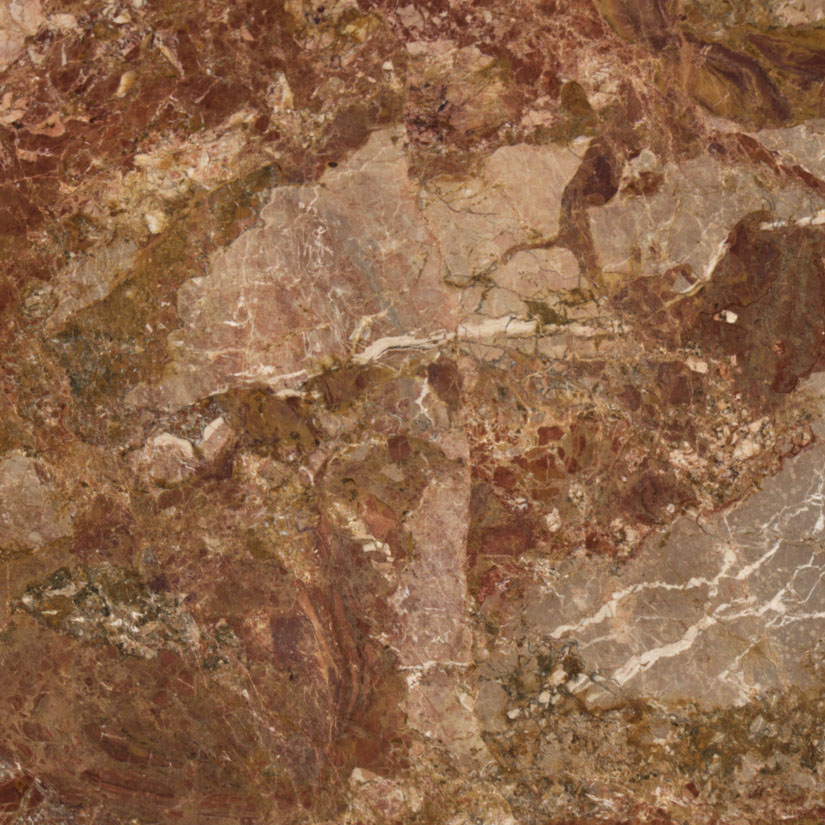
Stone: https://www.ydlstone.com.au/products/breccia-pernice/
How Veining Forms in Natural Stone
The creation of veining in natural stone is the result of remarkable geological processes that unfold over millions of years. Deep within the Earth’s crust, minerals are subjected to intense heat and pressure, causing metamorphic transformation. In the case of marble, which begins life as limestone, veining often develops when impurities such as clay, silt or iron oxides become trapped during this change. These materials fill cracks and fissures caused by shifting tectonic forces, eventually crystallising into the elegant lines we admire.
Granite and quartzite follow their own paths, typically involving mineral-rich fluids that slowly move through fractures in cooling rock. The outcome is a truly individual pattern, different in every slab, even within the same quarry. This natural variation is one of the reasons genuine stone feels so special and why it remains difficult for manufactured surfaces to replicate its authentic charm.
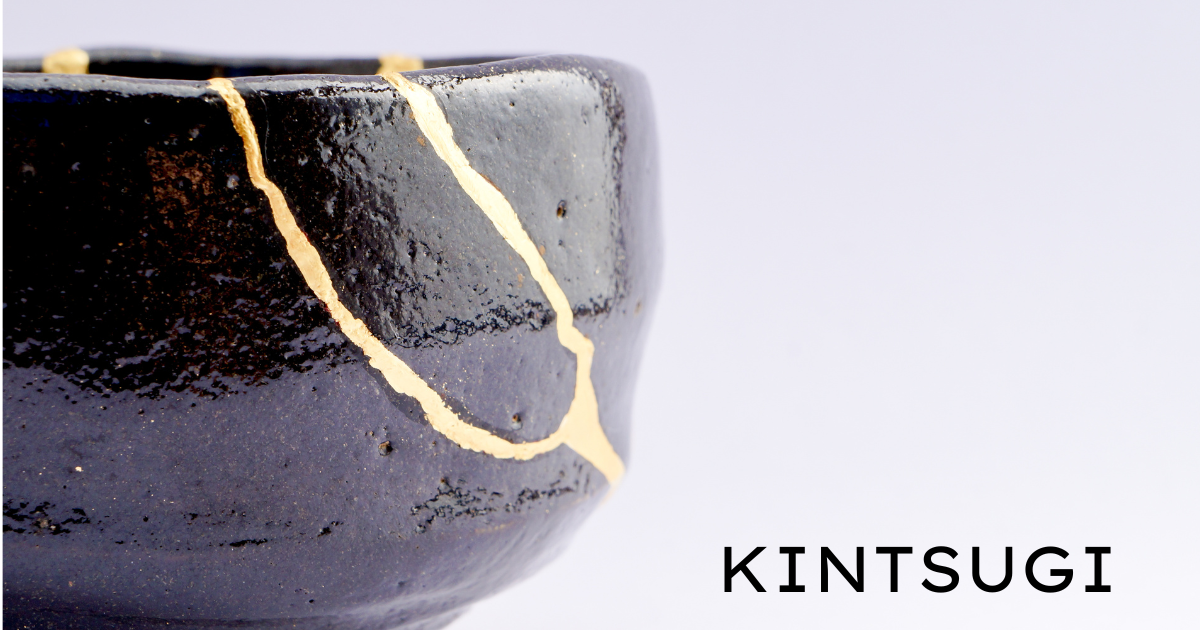
Veining is, in a sense, imperfection becoming beauty. It is within the cracks and impurities of the stone that it becomes truly unique, and it’s not the only place we can see this concept in practice.
Kintsugi, the traditional Japanese art of repairing broken pottery, works towards a similar beauty by using a special tree sap or resin dusted with powdered gold, silver, or platinum to fill the gaps. This, rather than hiding the cracks, accentuates them, and makes them part of the story of the item, just as veining tells the tale of a stone’s geological formation.
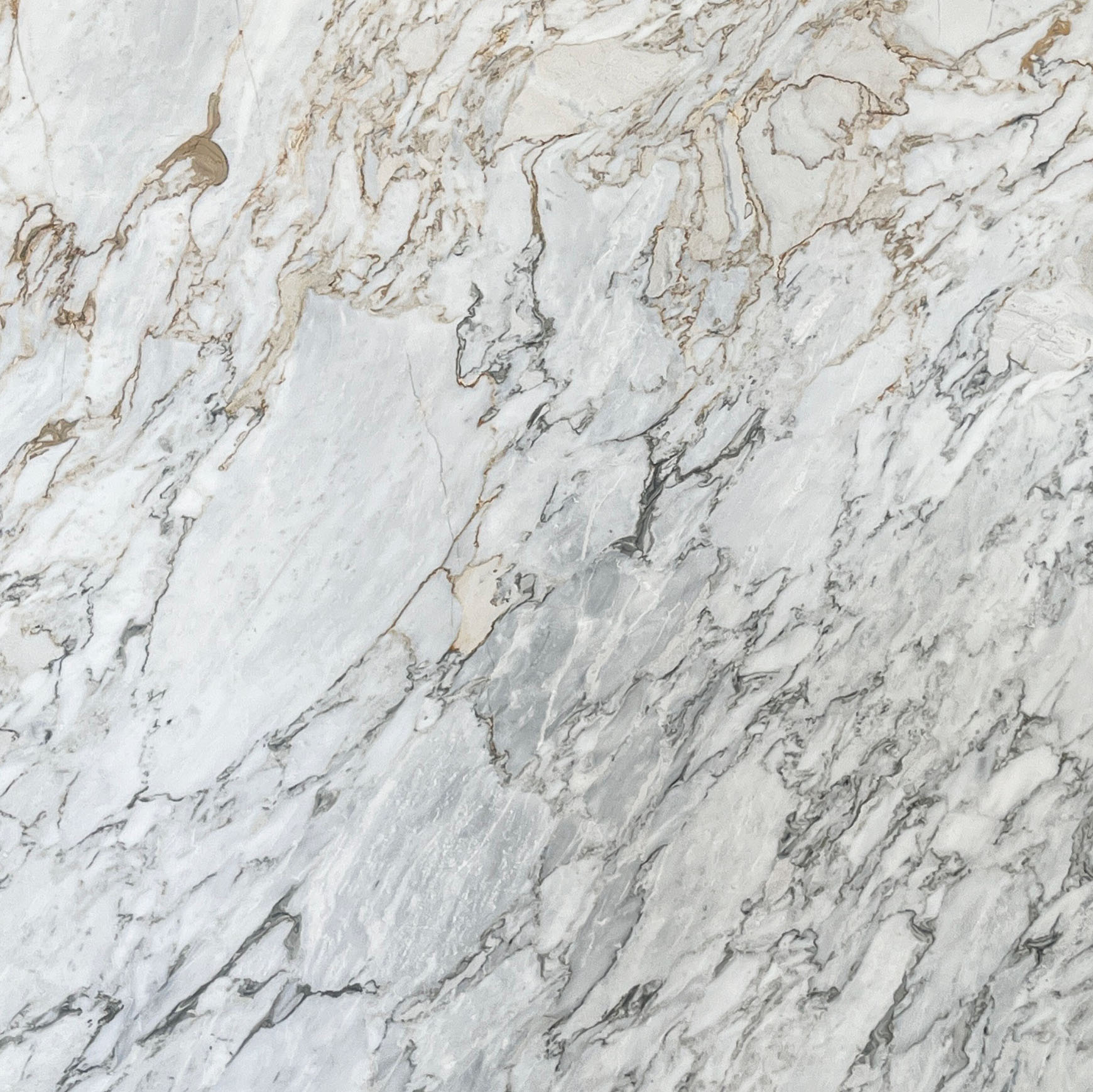
Stone: https://www.ydlstone.com.au/products/arabescato-vagli/
How to Tell Natural Veining from Man-Made Patterns
With modern manufacturing techniques offering new methods for replicating the aesthetic of various stone types, it pays to know how to spot genuine natural stone. Here are some straightforward checks you can make:
Look at the back
The easiest way is to examine the reverse side of a tile or slab. Man-made materials often show a uniform grid pattern or printed markings. Natural stone usually has a rougher, more irregular back that broadly matches the character of the front.
Look at the edges
If you cannot check the back, study the edge of an installed piece. Natural stone frequently displays subtle saw marks or slight textural variations. Man-made tiles tend to have very consistent, sharper or neatly curved edges.
Look for patterns
Stand back and view the whole surface. The chances of a piece of natural stone ever precisely repeating its patterns are next to zero. After all, every natural slab is unique, and man-made products, no matter how good, will eventually reveal repeating designs when you examine several pieces together.
These quick observations help ensure you are choosing authentic natural stone with all its genuine beauty and individuality.
Does Veining Weaken the Stone?
This question is one we hear a lot, and it’s understandable why. When referring to veining as an “impurity” it’s natural to wonder whether these other mineral composites change the stone’s durability. With that said, the answer depends on the specific stone and its intended use. Veining itself does not automatically compromise strength, and in many instances, the veins are actually denser and harder than the surrounding material, presenting no structural concern whatsoever.
That said, certain vein characteristics may need careful evaluation during selection, cutting and installation. Experienced suppliers play an important role here. At YDL Stone, our team inspects every slab and offers honest guidance so you can choose material where the veining adds beauty while supporting long-term performance.
Veining and Durability in Flooring Applications
For most flooring projects, veining has little impact on overall durability. Tiles and slabs are fully supported by the substrate below, meaning they experience minimal bending stress under normal use. What matters most are surface hardness, porosity and scratch resistance, all of which are well managed with proper sealing and regular maintenance.
For outdoor areas or particularly busy spaces, we always recommend speaking with our team. We can suggest the most suitable stones and finishes for your specific conditions.
The Veining Spectrum: Finding Your Perfect Match
Veining comes in many beautiful forms, ranging from almost imperceptible to wonderfully dramatic. Knowing where a stone sits on this spectrum makes it easier to select one that suits your design.
Minimal veining
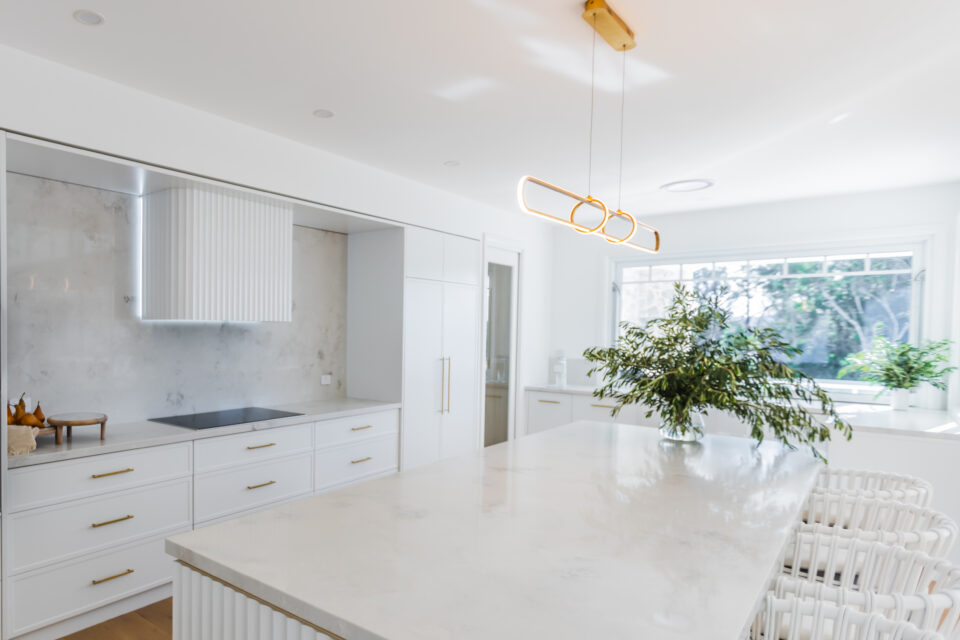
Stones that look nearly uniform, with only faint colour shifts. These are ideal for modern kitchens and bathrooms where you want a calm, textured surface that lets other design elements take centre stage. They create a serene backdrop that pairs beautifully with bold cabinetry, lighting or accessories.
Moderate veining
This provides clear yet balanced patterns that add gentle movement without overwhelming the space. These versatile stones work well in most Australian homes, offering interest while remaining easy to live with.
Bold veining
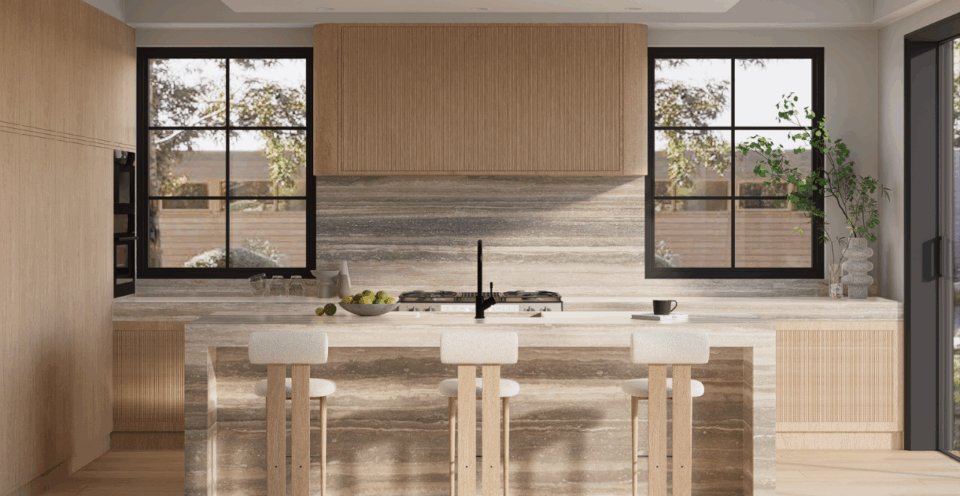
Often what people think of when they picture veining, stones of this kind feature strong, sweeping lines of contrasting colour that naturally draw the eye. These stones shine in larger rooms or minimalist interiors where the surface itself becomes a focal point. They bring warmth and personality that improves with time.
Busy veining
These stones display complex, multi-directional patterns with several colours. Chosen carefully, these can look spectacular in feature walls or generous benchtops. In smaller rooms they benefit from being paired with simpler materials so they enhance rather than dominate the space.
Why We Love Natural Stone Veining
Beyond the geology, there is something profoundly appealing about veining. These patterns link us to millions of years of Earth’s history in a way no synthetic surface can match. Each line tells a story of pressure, heat and transformation, and remind us that many of the structures surrounding us are just as much a part of nature as the trees and oceans that surround them. In our homes they add warmth, character and a timeless quality that feels more alive with every passing year.
Veining also brings practical advantages. It helps mask everyday marks better than solid colours while providing visual depth that never looks flat or clinical. Whether your taste leans toward quiet refinement or dramatic flair, natural veining lets your personal style shine through.
Choosing the Right Veining for Your Home
At YDL Stone, we believe the best stone is the one that feels right for your life and your space. Our team takes time to understand your project goals, the lighting in the room, surrounding materials and how the surface will be used. This thoughtful approach ensures the veining complements rather than competes with your overall vision.
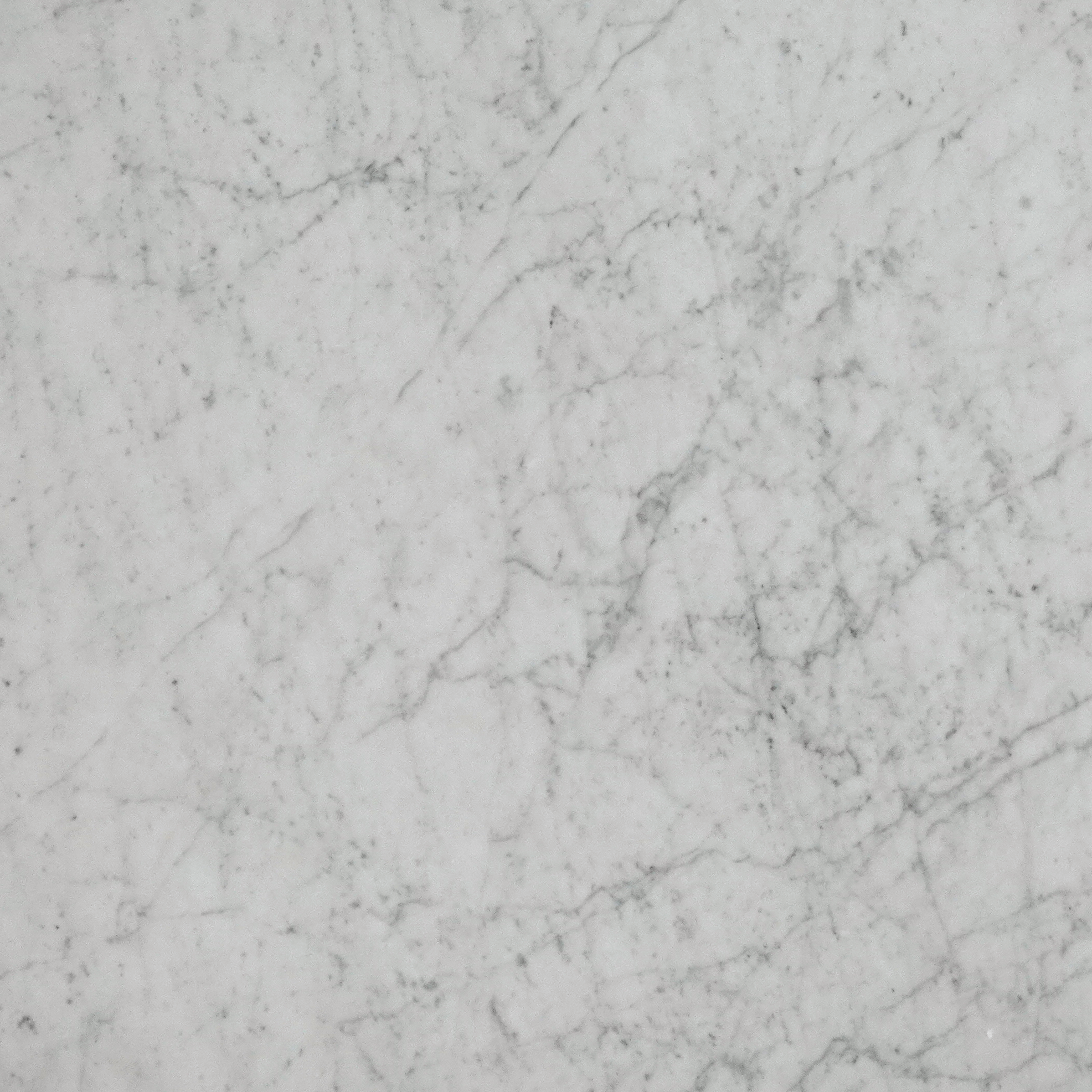
Stone: https://www.ydlstone.com.au/products/carrara/
We offer a wide selection of natural stones with every style of veining, from soft, classic Carrara marbles to more dramatic quartzites and granites. No matter whether you prefer understated elegance or eye-catching movement, we can help you discover the ideal match.
Work With YDL Stone Today
If you have been inspired by the beauty and story held within natural stone veining, we warmly invite you to visit one of our showrooms. Seeing the slabs in person under real lighting is the best way to appreciate their unique character and picture them in your home.
You can make a booking here, with convenient showrooms located across Victoria, Queensland and New South Wales. Our experienced team is ready to guide you through the selection process and answer any questions about care, sealing and long-term enjoyment.
Natural stone veining is a beautiful reminder of the powerful forces that shape our world and the timeless elegance we can welcome into our daily lives. We look forward to helping you find the perfect stone for your next project.
Related Article
Explore more from our blog
Discover more expert tips, design ideas, and surface insights to inspire your next project.