A Guide to Choosing Natural Stone
Natural stone brings a timeless sense of beauty and character to the kitchen. Every slab is unique, with its own colours, veining and natural variations shaped over millions of years.
From the classic elegance of marble to the strength of granite and quartzite, each stone offers something different that makes it appeal to certain aesthetic preferences. Understanding how marble, limestone, travertine, dolomite, granite and quartzite compare will help you choose a surface that complements your design and suits your lifestyle.
At YDL Stone, we’ve worked with architects, designers, and builders across the country to bring the best stone from across the globe to Australian homes and commercial properties. Over our 20 year history, we have maintained an unmatched reputation for quality, working directly with quarries in areas like Italy, Turkey, and Greece to find the finest natural stone available. So, working with so many different types of natural stone, we know a thing or two about how to take care of it.
Durability, maintenance, scratch resistance and sensitivity to acidic substances are all important considerations. With the right knowledge, you can find a natural stone that not only looks beautiful but also works for the way you use your home.
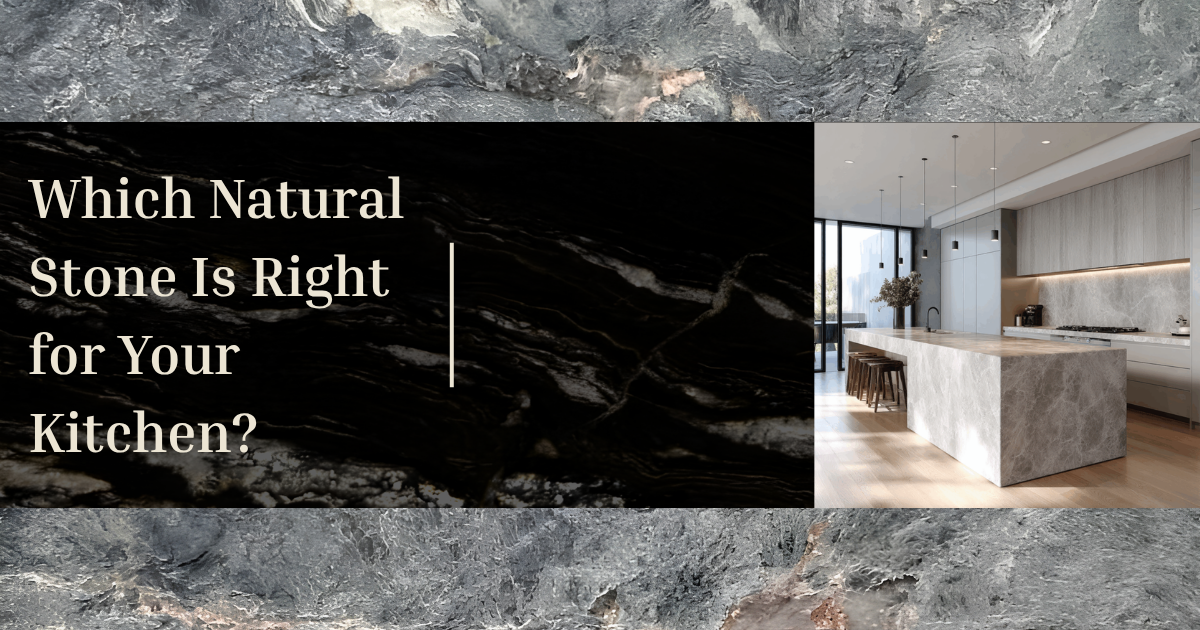
Which Natural Stone Is Right for Your Kitchen?
The best natural stone for your kitchen depends on your design preferences, how you use the space and the level of maintenance you are comfortable with.
For busy kitchens, granite and quartzite are excellent options, and popular ones in many modern Australian homes. Their hardness and durability make them well suited to everyday use, with strong resistance to scratching and less sensitivity to acidic foods than many softer stones.
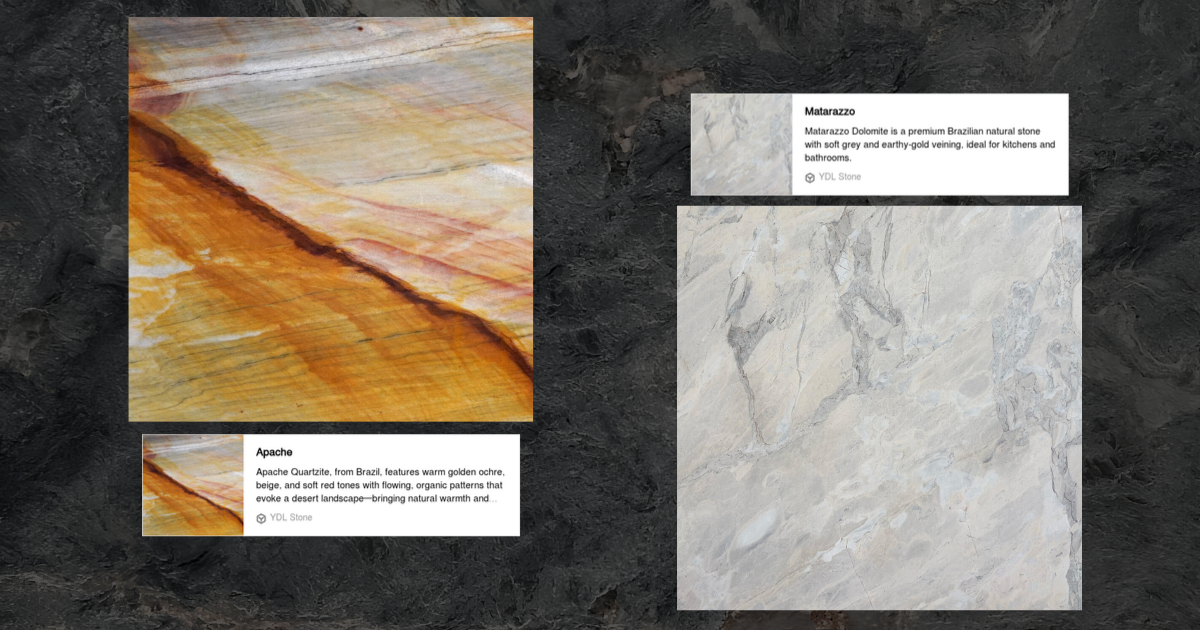
For a luxurious look with natural movement, quartzite offers beautiful veining and tonal variation. It can create a similar visual appeal to marble, with improved durability in many applications. Dolomite offers a similarly beautiful veining and variety, though like marble, the stone can still etch and does require care to keep looking its best.
For those who love the character of natural ageing, marble has enduring appeal. Its distinctive veining and refined appearance make it a favourite for statement kitchens. Over time, the surface may develop etching and signs of use, creating a patina that many homeowners value as part of its charm.
For warm, organic interiors, limestone and travertine bring softness, texture and earthy tones. Both are beautiful choices for considered architectural spaces, although they require more care than harder stones.
Understanding the Mohs Scale of Hardness
The Mohs scale measures a material’s resistance to scratching, ranging from 1 for the softest minerals to 10 for the hardest. It provides a useful guide when comparing natural stones, although actual performance also depends on the stone’s composition, finish and maintenance.
Here is how the six main stone types compare:
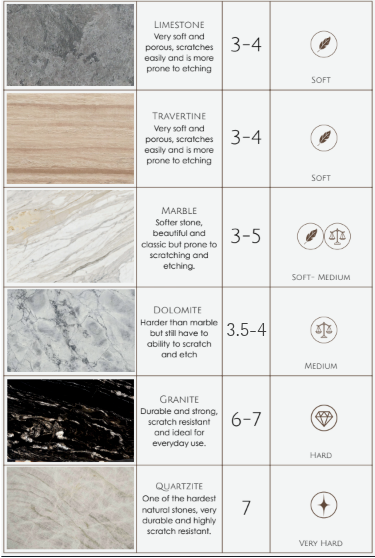
- Limestone: 3 to 4. A relatively soft, porous stone that can scratch easily and is susceptible to etching.
- Travertine: 3 to 4. Similar to limestone, with a softer structure that requires careful handling and maintenance.
- Marble: 3 to 5. A classic, elegant stone that is more vulnerable to scratching and acid damage than harder alternatives.
- Dolomite: 3.5 to 4. Generally harder than marble, although it can still scratch and react with acidic substances.
- Granite: 6 to 7. A durable choice with good scratch resistance, well suited to busy kitchens.
- Quartzite: Around 7. A very hard natural stone that offers excellent resistance to scratching.
Hardness is only one part of the decision. A stone’s porosity, mineral composition and sensitivity to acids also affect how it performs in everyday settings.
How to Care for Natural Stone
Natural stone is a material with its own character, and the right care will help preserve its beauty over time. Sealing where appropriate, using suitable cleaning products and responding promptly to spills can all make a difference.
A few simple habits will help protect your surface:
- Use a pH-neutral cleaner specifically recommended for your stone.
- Wipe up spills as soon as possible, particularly wine, citrus juice and other acidic liquids.
- Avoid abrasive powders, harsh scourers and aggressive cleaning products.
- Always use a chopping board rather than cutting directly on the surface.
- Avoid leaving acidic foods, drinks or cleaning products in contact with the stone.
- Follow the recommended sealing and maintenance instructions for your particular material.
It is also worth understanding the difference between staining and etching. Staining occurs when a substance penetrates the stone, while etching is a change to the surface caused by a chemical reaction. The two can look similar but may require different approaches to care and restoration.
The veins, fossils, crystals and tonal variations found in natural stone are part of what makes every slab special. These features reflect the material’s geological history, bringing a sense of authenticity and individuality to the home.
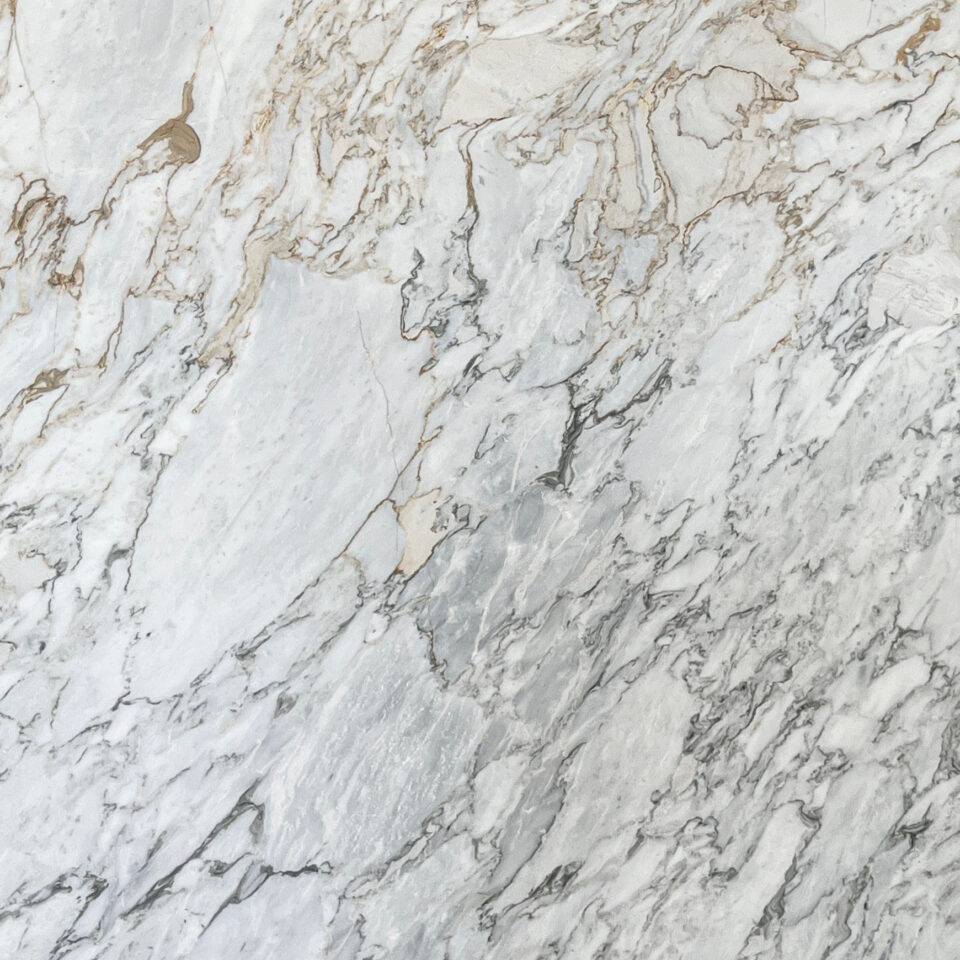
Marble: Arabescato Vagli
Marble: Timeless Beauty with a Softer Character
Marble is a metamorphic stone formed when limestone is transformed by heat and pressure deep within the Earth. This process creates its crystalline structure and distinctive veining, giving marble the refined appearance that has made it a favourite in architecture and interior design for centuries.
Its natural movement, subtle translucency and varied patterns make every marble slab unique. However, marble is best suited to homeowners who understand and appreciate the care that comes with a softer stone.
Marble is generally more susceptible to scratching than granite and quartzite. It can also react with acidic substances, leaving dull marks on the surface known as etching. Regular sealing may help reduce staining, but it will not prevent etching.
Etching risk: High.
Common substances that can etch marble include lemon and lime juice, vinegar, wine, champagne, tomato sauce and acidic cleaning products. Even everyday kitchen spills can affect the finish if left sitting on the surface.
Marble is an excellent choice for statement kitchen islands, splashbacks and benchtops where natural variation and the character that develops over time are appreciated.
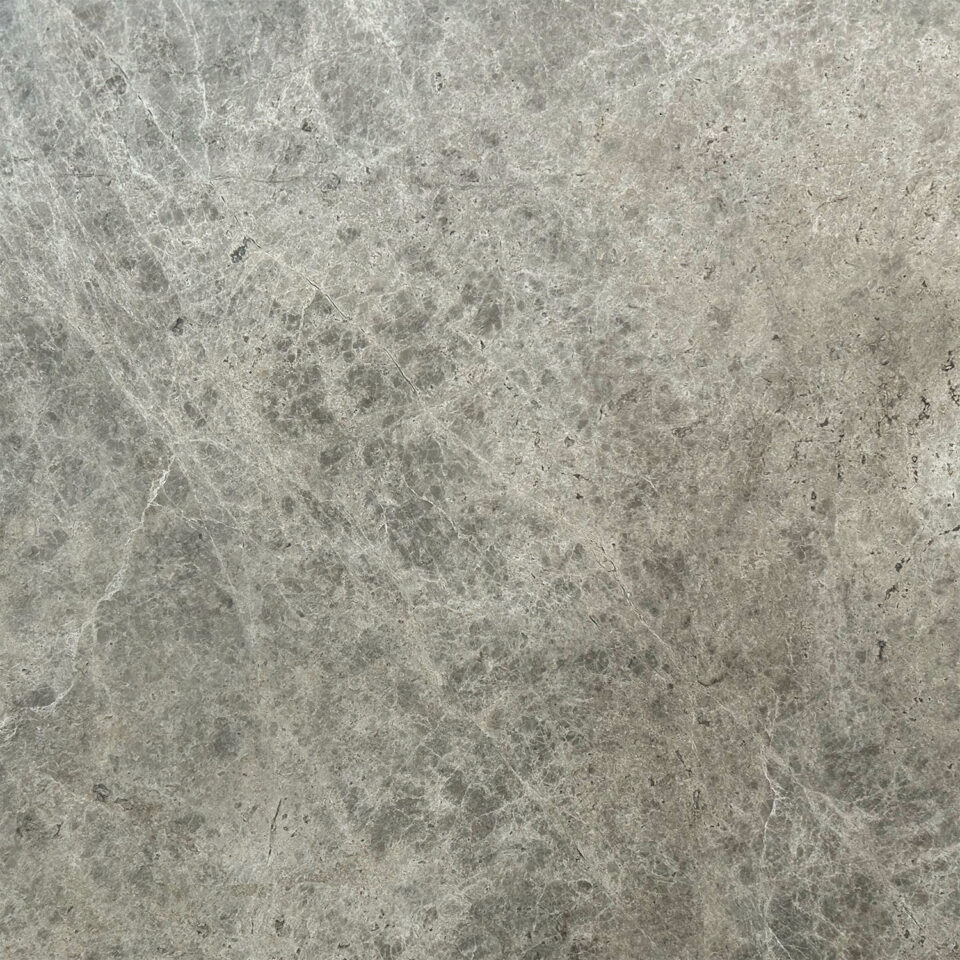
Limestone: Turco Argento
Limestone: Soft, Organic and Naturally Subtle
Limestone is a sedimentary stone formed from accumulated marine deposits, including shells, fossils and mineral sediments. Its understated colours and natural textures create a relaxed, organic feel that works beautifully in contemporary and traditional interiors alike.
Compared with harder natural stones, limestone is generally softer and more porous. It can absorb spills, scratch more easily and react with acidic products, so regular care and appropriate sealing are important.
Etching risk: High.
Vinegar, citrus juice, wine, soft drinks and acidic cleaning products can mark limestone. Spills should be wiped up promptly, and only suitable stone care products should be used.
Limestone is well suited to architectural kitchens, bathrooms, flooring and interiors where soft tones and understated texture take centre stage. It is particularly appealing to homeowners who prefer a natural, gently lived-in finish.
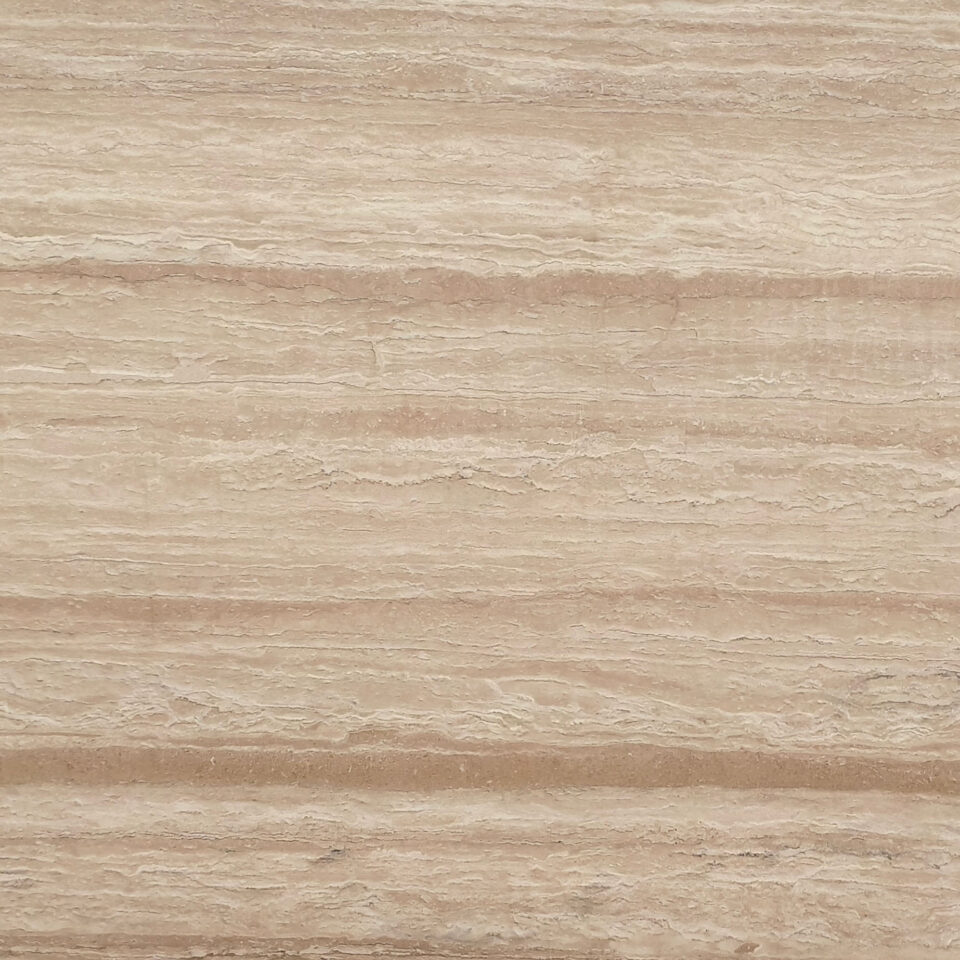
Travertine: Travertine Classic
Travertine: Ancient Beauty with Natural Character
Travertine is a type of limestone formed as mineral-rich water deposits calcium carbonate over time. Its distinctive pores, layered patterns and earthy colours give it a texture that is difficult to replicate with other materials.
Available in filled and unfilled finishes, travertine can create different effects depending on the look you want to achieve. Filled finishes generally offer a more even surface, while unfilled travertine retains more of its natural openings.
Like limestone, travertine is relatively soft and can be affected by both scratches and acidic substances.
Etching risk: High.
Vinegar, citrus juice, wine, soft drinks and acid-based cleaning products can damage its surface. Sand, grit and abrasive cleaning tools may also cause scratches, making regular cleaning and careful maintenance particularly important.
Travertine, with a suitably-filled finish, suits warm contemporary kitchens, splashbacks, flooring and interiors where texture, tonal variation and a connection to natural materials are central to the design.
You can read more about Travertine and why we love it here.
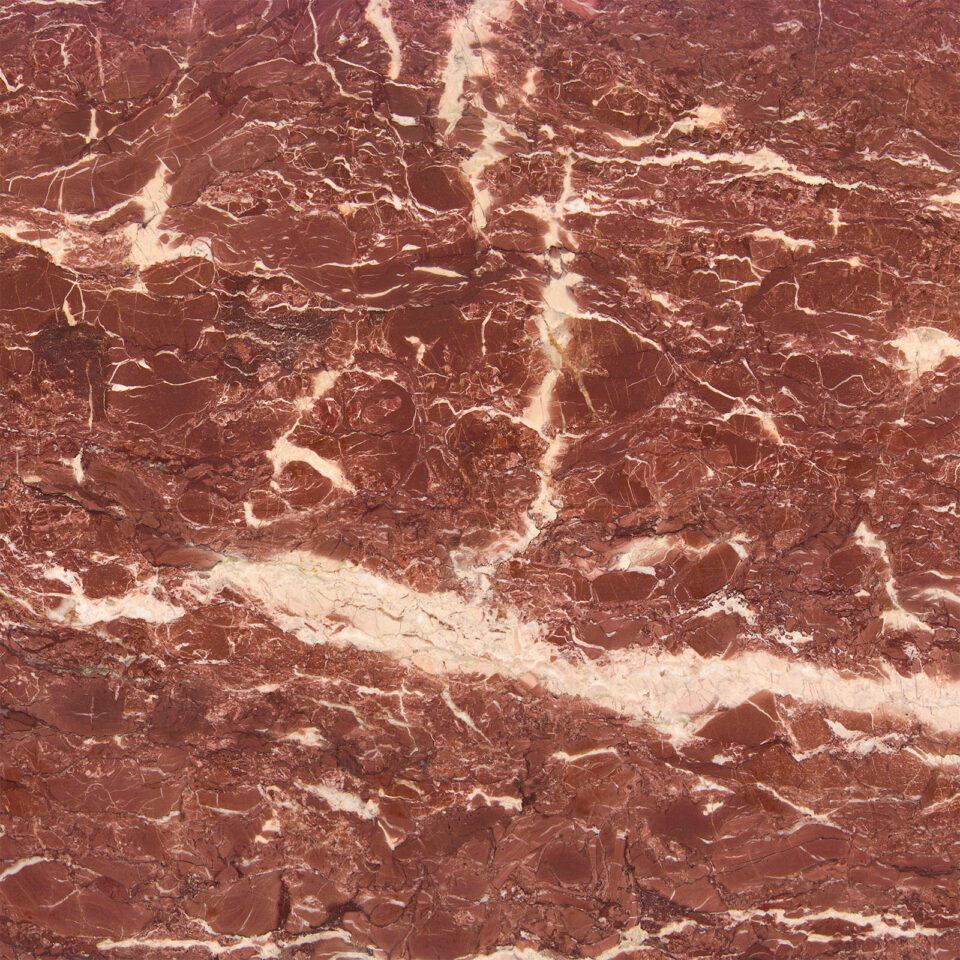
Dolomite: Austral Red
Dolomite: Marble-Like Beauty with Added Strength
Dolomite is a carbonate stone with a higher magnesium content than typical calcite-rich marble. Many dolomites feature the sweeping veins and soft tonal variations associated with marble, making them an appealing choice for elegant, contemporary spaces.
Dolomite is generally harder than many marbles and can offer improved scratch resistance. However, its performance varies between individual stones, and it should not be considered completely resistant to acids or surface damage.
Etching risk: Moderate, depending on the stone.
Lemon juice, vinegar, wine and acidic cleaning products may cause etching, particularly if left on the surface. Dolomite can still scratch, so chopping boards and non-abrasive cleaning methods are recommended.
For kitchen islands, benchtops, vanities and statement surfaces, dolomite offers a balance of natural movement and everyday practicality. It is a beautiful option for homeowners who love the look of marble but want to explore stones with different performance characteristics.
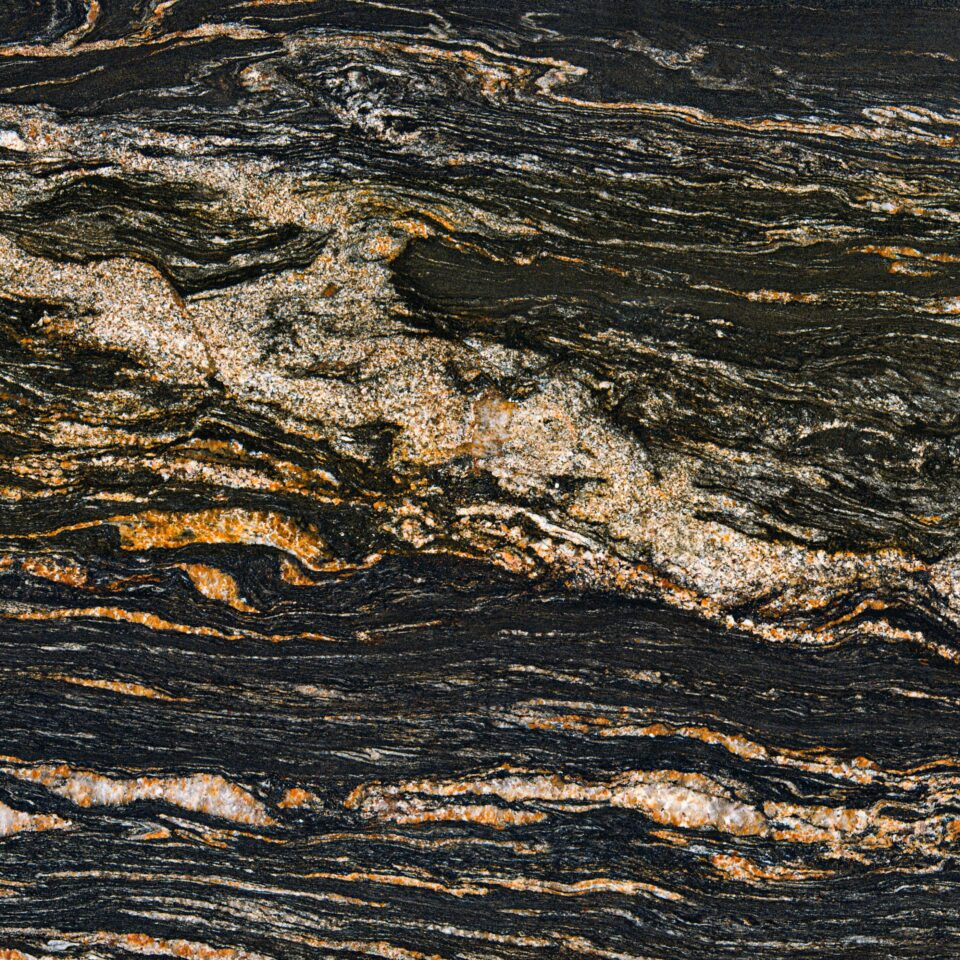
Granite: Black Fusion
Granite: Strength for Everyday Living
Granite is an igneous stone formed as magma cools slowly beneath the Earth’s surface. Its interlocking mineral crystals create a dense, hard structure that makes it a popular choice for hardworking kitchen surfaces.
Available in a wide range of colours, patterns and finishes, granite can suit everything from understated, neutral interiors to bold, character-filled designs.
Granite generally offers excellent scratch resistance and good heat resistance. It is also much less susceptible to acid etching than marble, limestone and travertine. Sealing requirements vary according to the particular stone, so it is important to follow the recommended care instructions.
Etching risk: Very low for most granites.
Granite is well suited to busy family kitchens, frequently used benchtops and projects where durability is a priority. While no natural stone is completely immune to damage, granite offers a dependable combination of strength, natural beauty and everyday performance.
You can read more about granite and India’s stone export industry here.
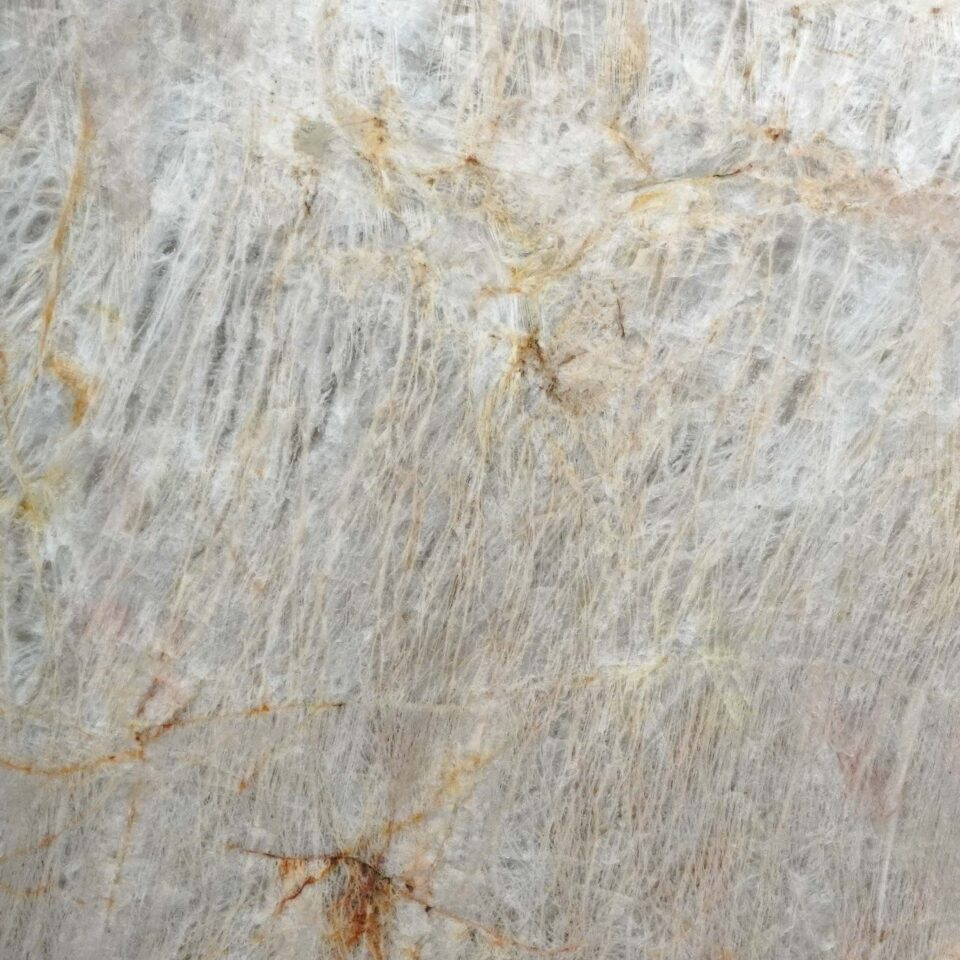
Quartzite: Cristallo
Quartzite: Natural Beauty with Exceptional Durability
Quartzite forms when quartz-rich sandstone is transformed by intense heat and pressure. The result is a hard, durable natural stone, often featuring flowing patterns and soft colours that appeal to those drawn to the look of marble.
Its high quartz content gives true quartzite excellent resistance to scratching and generally strong resistance to acidic substances. However, individual stones can vary, and sealing is often recommended to help protect against staining.
Etching risk: Very low for true quartzite.
Quartzite is particularly well suited to luxury kitchens, large islands, waterfall edges and architectural features where the surface needs to make a statement while standing up to regular use.
It is important to confirm the identity and care requirements of a stone before selecting it, as some materials marketed as quartzite may have different mineral compositions and performance characteristics.
You can read more about the YDL Stone Quartzite Collection here.
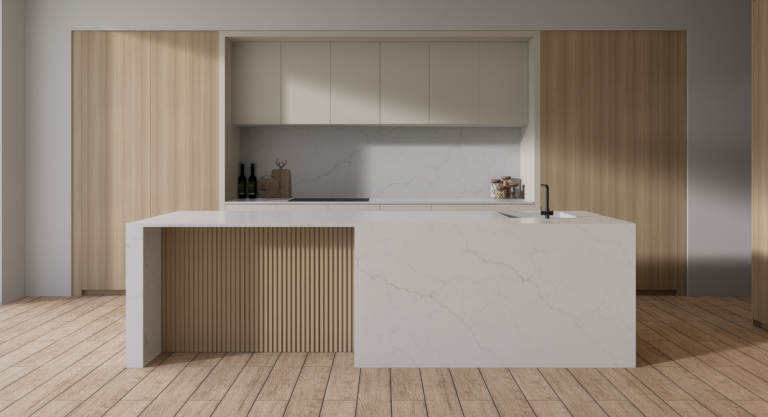
Choosing the Right Natural Stone for Your Home
Choosing natural stone is about finding the right balance between appearance, performance and maintenance.
Granite and quartzite are strong options for high-use kitchens where scratch resistance and durability are priorities. Marble offers distinctive veining and timeless appeal for those who appreciate its natural patina. Limestone and travertine bring warmth and texture to softer, organic interiors, while dolomite offers a beautiful alternative for those seeking marble-like movement with a different balance of strength and care.
There is no single stone that suits every home. The best choice is the one that complements your design, fits your lifestyle and meets your expectations for maintenance.
At YDL Stone, we offer a carefully selected range of natural stone to suit a variety of styles and applications. Viewing slabs in person is one of the best ways to appreciate their true colour, veining and natural variation, particularly when considering how a surface will work with your cabinetry, flooring and lighting.
Explore Natural Stone at YDL Stone
Planning a kitchen, bathroom or architectural project? Contact our team or visit a YDL Stone showroom to explore our natural stone collection and find a surface that suits your space.
Our team can help you compare materials, understand their care requirements and choose a stone that brings your vision to life.
Book your showroom visit today and discover the natural stone that feels right for your home.
Related Article
Explore more from our blog
Discover more expert tips, design ideas, and surface insights to inspire your next project.